
5 Things to Know About Balance Transfer Credit Cards While Rebuilding Credit
Struggling with high-interest credit card debt? Did you know balance transfers can cut interest costs by 90%—but only if your credit score qualifies? Learn the real mechanics and hidden roadblocks before applying.
【What a Balance Transfer REALLY Means】
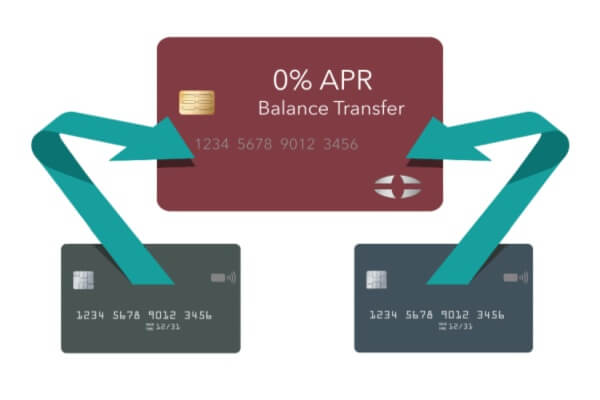
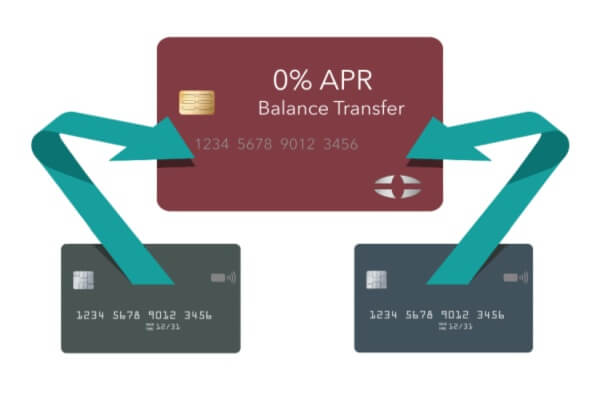
How Balance Transfers Actually Work
Key Mechanics Explained
A balance transfer involves moving existing high-interest credit card debt onto a new card offering a lower promotional Annual Percentage Rate (APR), often 0% for an introductory period. Here’s the step-by-step process:
- Application & Approval: You apply for a card specifically offering a balance transfer promotion. Approval depends on the issuer’s assessment of your creditworthiness.
- Initiation: Upon approval, you request the transfer, providing details of the old debt (account number, amount).
- Transfer Execution: The new card issuer pays off the specified amount on your old card(s).
- Debt Consolidation: The debt now resides on your new card. The promotional APR applies to this transferred balance for a set period (e.g., 6-21 months).
- Fee Payment: A one-time balance transfer fee (typically 3% to 5% of the amount transferred) is added to your new card’s balance. For example, transferring $1,000 incurs a $30-$50 fee.
Why rebuilding credit Creates Roadblocks
Hard Eligibility Realities
Securing a traditional balance transfer card with a meaningful 0% intro APR period is exceptionally difficult with rebuilding credit due to fundamental issuer requirements:
- Credit Score Threshold: The vast majority of cards offering substantial 0% intro APR periods require applicants to have credit scores solidly in the “Good” to “Excellent” range. This typically means a FICO score of 690 or higher. Cards with the longest intro periods (18-21 months) often target scores above 720.
- Limited Options for Low Scores: Applicants with FICO scores below 580 (classified as “Poor”) face severely restricted choices. As of 2026, NerdWallet’s analysis confirms that finding a true 0% intro APR offer with standard terms below this threshold is highly unlikely. Most options disappear entirely.
- Lower Credit Limits: If approved for any balance transfer offer with lower credit scores, issuers will impose significantly lower credit limits. It’s common to see limits under $1,000. This drastically reduces the practical amount of debt you can transfer. The transfer fee also eats into this limited available credit.
| Credit Score Range (FICO) | Likely Eligibility for 0% BT Card | Typical Credit Limit Offered | Common Fee Structure |
|---|---|---|---|
| 720+ (Excellent) | High – Wide variety of offers | $5,000 – $15,000+ | 3%-5% transfer fee |
| 690-719 (Good) | Moderate – Several options | $2,000 – $7,500 | 3%-5% transfer fee |
| 580-689 (Fair) | Low – Very limited options | Often under $1,500 | Higher fees possible |
| Below 580 (Poor) | Extremely Low – Near Zero Options | Under $1,000 (if any) | High fees, poor terms |
This combination of high barriers means the classic balance transfer strategy used by those with good credit is largely inaccessible if your credit is damaged. The very tool designed to save on interest becomes out of reach due to the risk factors associated with lower scores. Understanding these mechanics and roadblocks is crucial before exploring if any niche options exist or considering alternative paths to manage high-interest debt. For personalized strategies on improving your credit profile to potentially access better financial tools in the future, explore resources available at https://fixcreditscenter.com.
【Can You Actually Get Approved?】
Credit Score Requirements Exposed
Minimum Score Thresholds
The hard truth is that traditional balance transfer cards with substantial 0% intro APR periods remain largely inaccessible for borrowers with damaged credit. Industry data from 2026 confirms steep barriers:
- Good/Excellent Credit Mandatory: Discover explicitly states their 0% intro APR cards “usually require good or excellent credit” – typically a FICO score of 690+.
- Poor Credit = Minimal Options: Chase highlights that applicants with FICO scores below 580 (Poor credit) face drastically reduced eligibility factors for standard balance transfer cards. Approval rates plummet.
- Fair Credit’s Limited Path: LendingTree analysis shows the only realistic options for scores in the 580-669 (Fair) range are typically secured credit cards. These require a cash deposit as collateral and rarely offer meaningful introductory APR deals on balance transfers. True unsecured 0% intro APR offers remain scarce in this tier.
The Hidden Costs of rebuilding credit Transfers
Fee and APR Pitfalls
Cards accessible to those with lower credit scores often come with terms that negate the potential savings of a transfer, creating significant financial risks:
- Sky-High Standard APRs: Cards marketed to rebuilding credit applicants frequently impose punishingly high regular APRs after any short intro period. For example:
- The Fortiva® Mastercard® offers balance transfer capability but slaps on a regular purchase APR of up to 36% (Variable) once any intro period ends.
- The Discover it® Secured Card, while a strong option for credit building, only provides a 10.99% intro APR on balance transfers for 6 months. After that, the rate jumps to a 27.24% Variable APR – potentially higher than the original debt.
- Upfront Transfer Fees: The standard 3% to 5% balance transfer fee applies universally. On a $3,000 transfer, this means an immediate $90 to $150 fee added to your new balance before you even start paying it down. This fee consumes valuable credit limit, especially on low-limit cards typical for rebuilding credit approvals.
- Short or Non-Existent Intro Periods: Cards accessible with poor or fair credit rarely offer the lengthy 0% intro periods (18-21 months) common with prime credit cards. Intro periods of 6 months or less are the norm, severely limiting the time to pay down debt interest-free.
| Feature | Prime Credit Cards (Good/Excellent) | Cards Accessible w/ rebuilding credit (Fair/Poor) |
|---|---|---|
| Intro APR Period Length | 12-21 months | 0-6 months (if offered at all) |
| Standard APR After Intro | 15.99% – 24.99% (Variable) | 27.24% – 36% (Variable) |
| Balance Transfer Fee | 3% – 5% | 3% – 5% |
| Likely Credit Limit | $5,000 – $15,000+ | Under $1,500 (often under $1,000) |
The combination of high fees, short intro periods (if any), and exorbitant standard APRs means that a balance transfer accessed with rebuilding credit often provides minimal interest savings and can even increase costs long-term if the debt isn’t paid aggressively during the short promotional window. Carefully calculate the total cost – including the transfer fee and the high APR kicking in after the intro period – before proceeding. For tailored guidance on improving your credit score to access better financial products, consider exploring strategies at https://fixcreditscenter.com.
【Smart Alternatives That WORK】

Secured Credit Card Strategy
How They Help Rebuild Credit
For borrowers locked out of traditional balance transfers due to rebuilding credit, secured cards offer a viable path to rebuild creditworthiness while managing existing debt. Unlike unsecured cards, these require a refundable cash deposit that becomes your credit limit. The Discover it® Secured Card exemplifies this approach:
- Deposit Requirements: A minimum $200 security deposit is required, with your credit limit typically matching your deposit amount (up to $2,500). This deposit mitigates risk for the issuer.
- Credit Building Mechanics: Activity is reported monthly to all three major credit bureaus (Experian, Equifax, TransUnion). Responsible use – keeping utilization low and paying on time – directly improves your credit score.
- Path to Graduation: Discover automatically reviews your account for graduation to an unsecured card starting at 7 months of responsible use. Upon approval, your security deposit is refunded. While it offers only a 10.99% intro APR on balance transfers for 6 months (then 27.24% Variable APR), its primary value lies in credit rehabilitation.
Debt Consolidation Loans Explained
Viable Paths Without New Credit Card
Avoiding high-fee, high-APR balance transfer cards is often prudent. These alternatives provide structured debt relief without requiring new revolving credit:
- Non-Profit Credit Counseling: Agencies like NFCC members offer free consultations and can set up Debt Management Plans (DMPs). They negotiate lower interest rates and consolidate multiple payments into one fixed monthly amount. Crucially, DMPs don’t involve new credit applications.
- Credit Union Solutions (Membership Required): Credit unions often provide more favorable terms to members, even those with imperfect credit:
- Navy Federal Platinum Card: Offers a rare 0.99% intro APR on balance transfers for 12 months (then 18.00% Variable APR) and a 3% balance transfer fee ($5 min). Requires Navy Federal membership eligibility (military, DoD, veterans, family).
- ESL Visa® Credit Card: Features a 0% intro APR on purchases and balance transfers for 12 months (then 14.90% – 24.90% Variable APR) with a $0 balance transfer fee if transferred within 60 days of account opening. Requires ESL Financial Credit Union membership (Rochester, NY area).
practical Debt Payoff Methods
Data-Backed Repayment Systems
When new credit products aren’t feasible, disciplined repayment strategies offer the most reliable path to debt freedom. Research consistently shows two methods outperform minimum payments:
- Debt Snowball Method:
- Tactic: List debts smallest balance to largest. Pay minimums on all, then put every extra dollar toward the smallest balance until paid off. Roll that payment amount into attacking the next smallest.
- Benefit: Quick psychological wins from eliminating entire debts build momentum and motivation. A NerdWallet 2026 analysis found this method significantly boosts user adherence.
- Debt Avalanche Method:
- Tactic: List debts highest APR to lowest APR. Pay minimums on all, then put every extra dollar toward the highest APR debt until paid off. Roll that payment into the next highest APR.
- Benefit: Mathematically optimal. Eliminates the costliest debt first, saving the most money on interest over time. The same 2026 NerdWallet study confirmed this method reduces total interest paid by 18-24 months compared to minimum payments on average balances.
Both systems demonstrably accelerate debt payoff far faster than making only minimum payments. Choosing depends on whether psychological motivation (Snowball) or pure interest savings (Avalanche) is your priority. For personalized strategies to improve your credit score and access better consolidation options, explore resources at https://fixcreditscenter.com.
【Credit Score Repair Tactics】

Fast-Action Improvement Steps
Quick Impact Strategies
While rebuilding credit takes time, specific actions can yield measurable score improvements within 30-90 days, crucial for qualifying for better financial products like balance transfer cards:
| Strategy | Action Required | Time Frame for Impact | Potential Effect |
|---|---|---|---|
| Reduce Utilization | Pay down balances to keep utilization below 30% (ideally under 10%) | Next Billing Cycle | Immediate score boost potential (high impact factor) |
| Dispute Errors | Request free reports via AnnualCreditReport.com; dispute inaccuracies with bureaus | 30-45 days | Removal of damaging errors (1 in 5 reports contain mistakes per FTC 2026) |
| Become Authorized User | Ask trusted family member with good credit history & low utilization to add you | 30-60 days | Positive payment history added to your report |
Key Considerations: Disputes require documentation. Authorized user status relies on the primary user’s responsible habits. Utilization is calculated per card and overall – monitor both.
Long-Term Financial Health Habits
Sustainable Credit Building
quick shortcutes lay the groundwork, but lasting score improvement demands consistent, responsible financial behavior:
- Automate & Monitor Payments: Set up autopay for at least the minimum payment. Payment history is 35% of your FICO® Score. One missed payment can cause significant damage. Use calendar reminders as a backup.
- Leverage Secured Cards Strategically: As detailed in our secured card strategy section, use these tools deliberately:
- Consistent On-Time Payments: Aim for 6+ consecutive months of perfect payment history. This demonstrates reliability.
- Maintain Low Utilization: Treat your secured card like cash. Charge small amounts (e.g., one subscription) and pay in full monthly, keeping utilization well below 30%.
- Patience for Graduation: Allow time (often 12-18 months) for responsible use to build history and potentially graduate to an unsecured card.
- Utilize Non-Profit Credit Counseling: Organizations affiliated with the National Foundation for Credit Counseling (NFCC) offer free initial consultations. They provide:
- Personalized Budget Review: Identify spending leaks and create a realistic plan.
- Education on Credit Management: Understand credit reports, scoring factors, and healthy habits.
- Access to DMPs (if appropriate): As discussed, a structured plan to repay existing debt without new credit applications.
Repairing your credit score is the essential first step towards accessing viable financial tools like effective balance transfer offers. For a personalized action plan combining fast-impact tactics and long-term strategies tailored to your unique credit report, explore the resources available at https://fixcreditscenter.com.
【When a Balance Transfer Makes Sense】
Rare Approval Scenarios
Possible Options (With Caveats)
While approval for traditional balance transfer cards is challenging with rebuilding credit (typically below 670), a few specific options might be accessible under strict conditions. Understand these are exceptions, not Promises, and require meeting specific criteria beyond just a minimum FICO score:
- Discover it® Student Cash Back: Targets students actively building credit. May offer a 10.99% intro APR for 6 months on balance transfers (after that, standard APR applies). Requires a FICO score typically around 600+ and proof of student status. Balance transfer fee is 3% intro fee, up to 5% fee on future balance transfers (see terms). eligibility factors hinge significantly on income and limited credit history.
- Upgrade Cash Rewards Visa®: Functions more like a personal loan (fixed payments) than a revolving credit line. Offers potential approval in the 600-660 FICO range. APR ranges widely from 14.99% to 29.99% based on creditworthiness. There is no intro 0% period; the rate you qualify for starts immediately. Balance transfer fee is 1.5% – 3%. Lower starting rates are rare for applicants in the rebuilding credit tier.
- Navy Federal Credit Union Platinum Card: Offers a standout 0.99% intro APR for 12 months on balance transfers. Crucially requires Navy Federal membership eligibility (military, DoD, veterans, or related family). Requires good credit (typically 660+) for the best offers and approval. Balance transfer fee is 0% intro fee, then 3% (min $10). Membership is the primary gatekeeper.
Key Takeaway: These represent niche possibilities, not mainstream solutions for rebuilding credit. Approval is far from assured, rates post-intro (or immediately with Upgrade) can be high, and strict eligibility (student status, military affiliation) often applies. The Navy Federal card is the strongest offer if you qualify for membership and meet their credit standards.
Critical Red Flags to Avoid
Dangerous Offers to Steer Clear Of
For consumers with rebuilding credit seeking balance transfers, the risk of predatory offers is high. Vigilantly avoid these red flags that signal potential debt traps:
- Cards Advertising “rebuilding credit Approval” With No Intro APR Period: If the card charges its high standard APR immediately on transferred balances (often 29.99% or higher), the transfer provides no interest relief. You gain no breathing room to pay down the principal faster. This defeats the primary purpose of a balance transfer and often worsens your debt burden.
- Excessive Balance Transfer Fees: While fees of 3-5% are common, any fee exceeding 5% of the transferred amount is predatory, especially for large balances. Calculate the true cost: A 5% fee on a $5,000 transfer adds $250 instantly to your debt. Fees higher than this erode any potential savings from a lower APR.
- Sky-High Post-Intro APRs: Scrutinize the regular APR that kicks in after any introductory period. APRs consistently above 30% are a major red flag. If you cannot pay off the transferred balance before the intro period ends, you risk being slammed with devastating interest rates, potentially exceeding what you were paying originally. This creates a cycle where minimum payments barely cover interest, making principal reduction nearly impossible.
Prioritize Safety: If the only offers available to you exhibit these red flags, pursuing a balance transfer is likely counterproductive. Focus instead on the credit repair tactics discussed previously and exploring alternative debt management strategies. Transferring debt to a card with immediate high interest or damaging fees simply moves the problem into a more dangerous container.
Rebuilding your credit opens doors to genuinely beneficial financial tools. For guidance navigating complex credit decisions and avoiding predatory offers while working towards better scores, consider the personalized resources available at https://fixcreditscenter.com.
Key Takeaways on Balance Transfers
Balance transfers can be powerful tools for managing high-interest debt, but they come with strict credit requirements and potential pitfalls. To recap:
- Credit Score Matters: Traditional 0% APR offers typically require scores above 690, with the best terms reserved for 720+ scores
- rebuilding credit Alternatives Exist: Secured cards and credit union options may provide limited relief while rebuilding credit
- Calculate True Costs: Always factor in transfer fees (3-5%) and post-intro APRs before transferring
- Safer Strategies Available: Debt snowball/avalanche methods and credit counseling often work better for sub-580 scores
Ready to take control of your debt? Visit FixCreditsCenter today for personalized credit improvement strategies. Share your debt payoff journey in the comments below!
Disclaimer
This article is for educational purposes only and does not constitute legal, financial, or credit repair advice. FixCreditsCenter.com does not promise credit score increases, credit approval, or removal of accurate negative information. Results vary based on individual credit history.